

Articles

Cultural Differences in the Experience of Sadness

Cultural Differences in the Experience of Sadness

Sadness is a universal emotion felt by all human beings across cultures, but how it is expressed, understood, and dealt ...

Cultural Differences in the Experience of Optimism

Cultural Differences in the Experience of Optimism

Introduction Optimism is often viewed as a universal psychological trait, yet the ways in which individuals experience and express optimism ...

Cultural Differences in the Experience of Love

Cultural Differences in the Experience of Love

Introduction The Significance of Love in Human Experience Love is a universal human experience that transcends geographic, linguistic, and cultural ...

Cultural Differences in the Experience of Joy

Cultural Differences in the Experience of Joy

Joy is often considered a universal emotion, one that connects people across borders, languages, and cultures. It’s a fundamental part ...

Cultural Differences in the Experience of Jealousy

Cultural Differences in the Experience of Jealousy

Introduction Jealousy is a complex emotion that plays a significant role in human relationships, influencing how individuals interact with one ...

Cultural Differences in the Experience of isolation

Cultural Differences in the Experience of Isolation

Introduction In today’s fast-paced and hyper-connected world, isolation is a growing concern that affects millions of people globally. Despite the ...
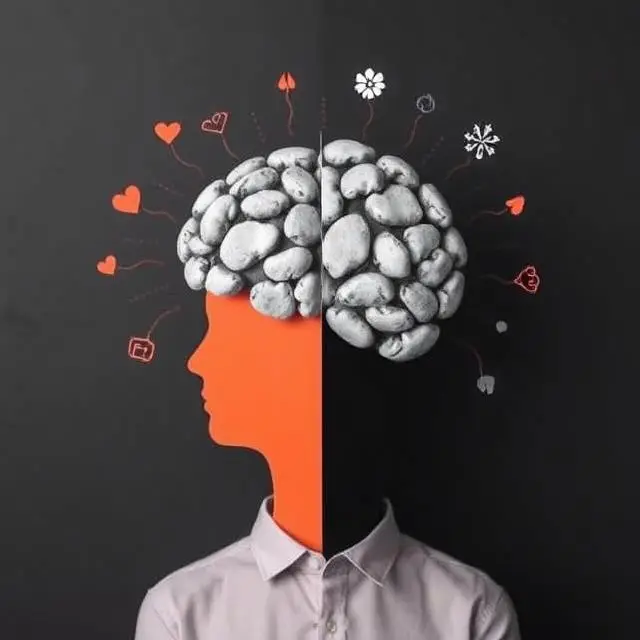
Emotional Intelligence vs Emotional Maturity

Emotional Intelligence vs Emotional Maturity

In today’s fast-paced world, emotional intelligence (EQ) and emotional maturity are increasingly recognized as essential components of personal and professional ...
Introduction: Understanding Narcissism and Emotional Attachment Narcissism is a term frequently used in modern psychology to describe individuals who display self-centered behaviors and a deep need for admiration. However, many often wonder if narcissists are truly capable of forming emotional attachments with others. Given their reputation for being emotionally distant, self-absorbed, and manipulative, it may seem counterintuitive to think that narcissists could develop meaningful, lasting emotional bonds. This article explores the complexities of narcissistic personalities and their potential for emotional attachment, shedding light on who they may attach to, the dynamics of their relationships, and the effects on those around them. Defining Narcissism: Traits and Characteristics Narcissism is rooted in the concept of narcissistic personality disorder (NPD), a mental health condition characterized by an inflated sense of self-importance, a lack of empathy, and a constant need for validation. Some common traits of narcissists include: Grandiosity: A sense of superiority and entitlement. Need for admiration: Seeking constant praise and validation. Lack of Empathy: Difficulty in Recognizing or Valuing the Emotions of Others. Manipulativeness: Using others for personal gain or to maintain control. While not all narcissists have NPD, these traits can still manifest in varying degrees in those who may not meet the full criteria for the disorder. The Nature of Emotional Attachment in Narcissists Emotional attachment in narcissists is complex. Narcissists tend to view others as extensions of themselves rather than separate individuals with their own needs and emotions. This results in attachments that are often conditional and self-serving. Instead of forming healthy, mutual emotional bonds, a narcissist’s attachment is typically driven by their need to maintain control, receive validation, and bolster their self-esteem. The nature of emotional attachment in narcissists often lacks the deep, empathetic connection seen in healthy relationships. It is more centered around the narcissist’s needs, with less concern for the needs of others. Who Do Narcissists Form Attachments With? Narcissists are more likely to form attachments with individuals who can serve a specific purpose in their lives. These can include: Enablers: People who reinforce the narcissist’s worldview by providing constant praise or support. Admirers: Those who provide the admiration and validation the narcissist craves. Codependents: Individuals who have difficulty setting boundaries and become emotionally reliant on the narcissist. Empathetic people: Narcissists may also seek out empathetic individuals who are likely to tolerate their behavior and overlook their flaws. Narcissists may be attracted to people who are emotionally vulnerable or those who will not challenge their behaviors. The emotional attachment they form often serves the narcissist’s ego, rather than a genuine, reciprocal emotional bond. The Dynamics of Narcissistic Relationships Relationships with narcissists can be incredibly turbulent. Initially, narcissists may display charm and attention in what is known as "love bombing," but this behavior is often a manipulation tactic to gain control and admiration. Once they feel secure in their control, narcissists tend to devalue their partners, undermining their self-worth, and showing little concern for their emotional needs. The dynamics of a narcissistic relationship are typically characterized by: Idealization: The narcissist places the partner on a pedestal, showering them with affection and admiration. Devaluation: Once the partner’s role in boosting the narcissist’s ego is fulfilled, they are criticized, belittled, and emotionally neglected. Discard: After exhausting the partner’s ability to meet their needs, narcissists may abruptly discard the relationship. This cycle can create confusion for those involved, leaving them questioning the narcissist’s attachment to them. Signs of Emotional Attachment in Narcissists Although narcissists often struggle with forming deep emotional attachments, there are signs that may indicate a narcissist has developed some level of attachment to a person. These signs may include: Jealousy or possessiveness: Narcissists may exhibit jealousy or territorial behavior if they perceive someone else taking attention away from them. Protectiveness: They may act protective of the individual they are attached to, although this behavior is typically more about maintaining control than genuine care. Fear of abandonment: Narcissists may show anxiety or fear when the person they are attached to threatens to leave them. Inconsistent affection: They may oscillate between showing affection and withdrawing, keeping their partner emotionally on edge but still seeking validation. While these behaviors may resemble attachment, they are often rooted in narcissistic needs rather than healthy emotional bonds. The Impact of Attachment on Victims and Partners Being in a relationship with a narcissist can have profound effects on the emotional and mental well-being of their partners. Narcissists often cause emotional harm through manipulation, gaslighting, and emotional neglect. The partner may feel emotionally drained, confused, and unable to escape the toxic cycle of idealization and devaluation. Victims of narcissistic relationships may experience: Low self-esteem: Constant criticism and devaluation erode self-worth. Emotional exhaustion: The emotional toll of dealing with a narcissist’s erratic behavior can lead to burnout. Confusion and self-doubt: Narcissists often manipulate their partners into questioning their reality, leading to confusion and uncertainty. Isolation: Narcissists Often Separate Their Partners from Friends and Family to Exercise Control. Can Narcissists Change? Exploring the Possibility of Healthy Attachments One of the most challenging questions surrounding narcissism is whether narcissists are capable of change. While narcissistic traits can be deeply ingrained, some research suggests that narcissists can experience changes in their behavior if they seek therapy and engage in self-reflection. However, change is often difficult and requires consistent effort, as narcissists may struggle to see their behaviors as problematic. For narcissists to develop healthy attachments, they must be willing to acknowledge their flaws, prioritize others’ feelings, and engage in authentic emotional connections. This level of self-awareness is rare, but it is not entirely impossible with the right therapeutic interventions. Coping Strategies for Those Involved with Narcissists If you find yourself involved with a narcissist, it’s essential to establish boundaries and prioritize self-care. Some strategies for coping with narcissists include: Setting clear boundaries: Clearly define what behaviors are unacceptable and stand firm in enforcing them. Seeking support: Reach out to trusted friends, family, or a therapist who can help you process the emotional toll of the relationship. Limiting emotional investment: Protect your emotional well-being by being aware of the narcissist’s patterns and avoiding getting overly attached. Recognizing manipulation tactics: Learn to identify gaslighting, love bombing, and other narcissistic tactics to protect yourself from emotional harm. Conclusion: Navigating Relationships with Narcissists In conclusion, narcissists can form emotional attachments, but these attachments are often shallow, self-serving, and rooted in their need for admiration and control. Narcissistic relationships are frequently toxic, leaving emotional scars on those involved. While it is possible for narcissists to change, the road to healthier, more empathetic relationships requires significant effort and self-awareness on their part. For those navigating relationships with narcissists, understanding their behavior, setting boundaries, and prioritizing self-care are crucial steps to protect emotional well-being.

Are Narcissists Emotionally Attached to Certain People?

Introduction: Understanding Narcissism and Emotional Attachment Narcissism is a term frequently used in modern psychology to describe individuals who display ...

Non-Response in Communication A Silent Message

How Non-Response Can Speak Volumes

Introduction: Understanding Non-Response In this swift-paced era we are constantly bombarded with information through texts, emails, phone calls, and social ...

The Effect of Positivity in the Workplace

The Effect of Positivity in the Workplace

Introduction: The Power of Positivity in the Workplace In today’s fast-paced and competitive business landscape, creating a positive work environment ...