
Cultural psychology has long been a field that seeks to understand how culture shapes the human mind and behavior. As digital technology advances, the dynamics of culture and psychology are rapidly evolving. The integration of digital tools into daily life has led to a significant transformation in how cultures express themselves, communicate, and evolve. In this article, we’ll explore the foundations of cultural psychology, the impact of digital technology on cultural norms, and how cross-cultural communication and identity have been reshaped in the digital age.
Introduction to Cultural Psychology and Its Foundations
Cultural psychology examines how culture shapes psychological processes. Unlike traditional psychology, which often focuses on universal human behaviors, it highlights the contextual connection between individuals and the norms, values, and practices of their society.
The roots of cultural psychology trace back to early psychologists such as Lev Vygotsky and Jerome Bruner, who emphasized how social and cultural factors influence cognitive processes. Vygotsky’s concept of the zone of proximal development (ZPD) stressed the importance of social interaction in learning, a fundamental principle in cultural psychology. This approach moved the emphasis from individual cognition to a broader perspective, highlighting the crucial role of social environments in psychological development.
In a world where cultural exchange is increasingly globalized, understanding the psychological underpinnings of cultural differences and similarities has become crucial for fostering mutual understanding, collaboration, and respect.
Impact of Digital Technology on Cultural Norms and Behaviors
The rise of digital technology has brought about profound changes in cultural norms and behaviors. Digital platforms, including social media, smartphones, and online communities, have accelerated the spread of cultural trends and ideas.
Globalization of Culture
Technology has enabled cultural exchange at an unprecedented scale. Individuals now have access to a global network of cultural expressions, from music and fashion to language and art. This has led to the blending of cultural norms, creating a more interconnected world. As people are exposed to different ways of life, the lines between distinct cultural identities are becoming increasingly blurred.
Shift in Social Behavior
Digital platforms have altered traditional social behaviors, with online communication facilitating rapid and broad interaction. Virtual communities have transformed cultural practices and reshaped expectations. For example, online gaming, virtual socializing, and the sharing economy (such as Uber and Airbnb) have changed how people view community and interaction.
Impact on Traditional Norms
Certain cultural norms, particularly those related to privacy, communication styles, and social hierarchies, have been challenged by digital platforms. In many cultures, the boundary between the public and private spheres has become more fluid, as individuals increasingly share personal information online. Digital technology has also led to a more egalitarian approach to communication, as people from all walks of life now have access to platforms that allow them to voice their opinions.
Changes in Cross-Cultural Communication in the Digital Era
Digital technology has had a transformative effect on cross-cultural communication, making it more efficient and far-reaching but also more complex.
Instantaneous Communication Across Borders
One of the most significant shifts has been the ability to communicate instantaneously with people across the world. Tools like email, messaging apps, video conferencing, and social media allow individuals from different cultural backgrounds to connect effortlessly. This has facilitated greater global collaboration in business, education, and activism.
New Forms of Miscommunication
While digital communication has opened new avenues for interaction, it has also introduced the potential for miscommunication. Cultural differences in communication styles (such as indirect vs. direct speech, or the use of nonverbal cues) can easily be misunderstood in text-based or online interactions. Emojis, GIFs, and memes have become substitutes for nonverbal communication, yet they carry different meanings across cultures.
The Role of Translation and Localization
As global communication intensifies, the importance of translation and cultural localization has grown. Businesses and organizations are investing in translating their content not just linguistically but culturally, ensuring it resonates with diverse audiences. This has sparked an interest in understanding cultural nuances, both in language and behavior, to avoid cultural faux pas and misinterpretations.
The Influence of Social Media on Cultural Identity Formation
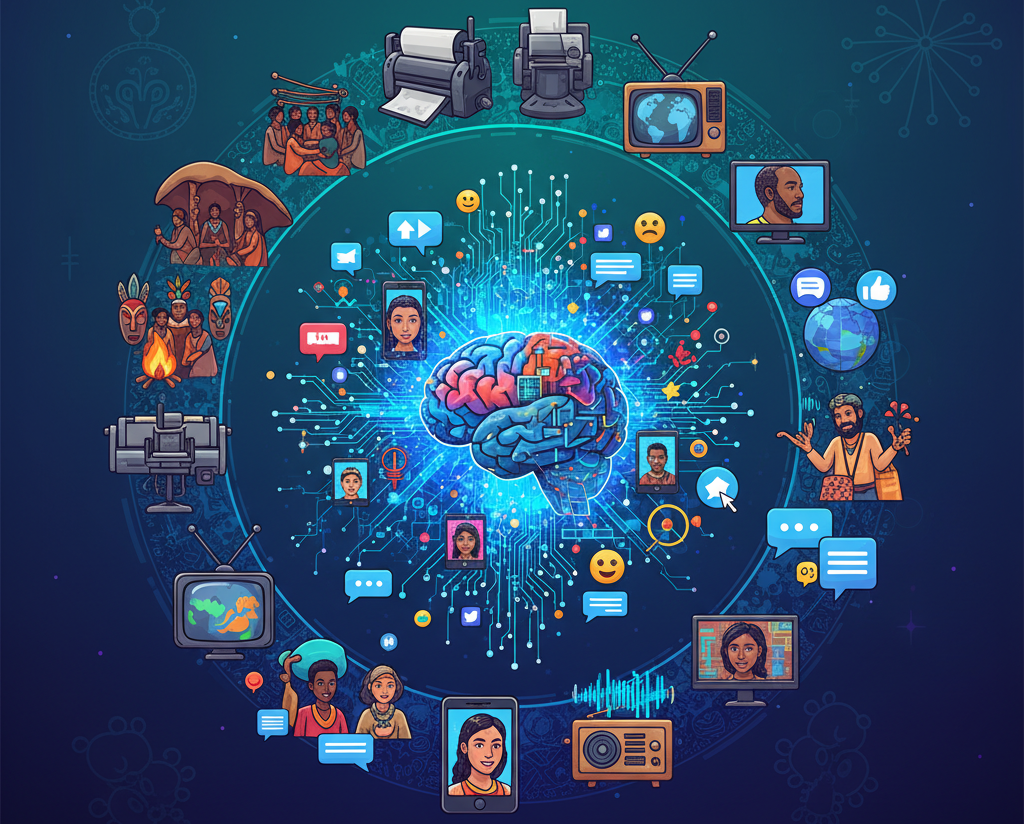
Social media platforms have emerged as major forces in shaping and evolving cultural identities. Platforms like Facebook, Instagram, Twitter, and TikTok allow individuals to share their lives, ideas, and cultural experiences with a global audience. But how exactly does social media shape cultural identities?
Global Influence on Local Identities
Social media has become a space where global and local cultures intersect. Young people in particular are exposed to a blend of global trends while still holding onto local traditions and values. This interaction creates a hybridized cultural identity, where individuals navigate between their local cultural heritage and global influences. Social media is also a platform for social movements, where issues related to identity, race, gender, and culture can be discussed, debated, and acted upon.
Influence of Influencers and Digital Celebrities
The rise of social media influencers has had a significant impact on shaping cultural norms and identities. Influencers, who often come from specific cultural backgrounds, have the ability to introduce and popularize new cultural practices, fashion trends, and lifestyles. Their reach across platforms has given them a unique power to shape global cultural tastes and values.
Echo Chambers and Identity Reinforcement
On the flip side, social media can also create “echo chambers,” where individuals are primarily exposed to content that reinforces their pre-existing beliefs and cultural values. This can create a sense of isolation and division between cultures. However, it can also lead to the strengthening of cultural identities, as groups band together online to support shared values or causes.
Identity Exploration
Social media provides a space for individuals to explore and experiment with different aspects of their identities. From self-expression through clothing choices to redefining gender roles, platforms allow people to challenge traditional cultural expectations and develop their own sense of self. This digital self-exploration can lead to greater awareness and acceptance of diverse identities.
Digital Globalization and Its Effects on Psychological Processes
Digital globalization the rapid exchange of information, ideas, and culture through digital networks has profoundly transformed psychological processes. Unlike traditional globalization, which was driven by physical trade and migration, digital globalization operates through instantaneous data flow, reshaping how people think, feel, and interact.
Cognitive Adaptation and Information Overload
The constant exposure to global information requires individuals to adapt cognitively. People now process vast amounts of cross-cultural data daily, leading to what psychologists term information fatigue. This constant stimulation can enhance global awareness but also challenge attention span, decision-making, and emotional regulation.
Cultural Blending and Identity Formation
Digital spaces promote cultural hybridization the merging of global and local cultural elements. For instance, youth across different nations may adopt shared global symbols, slang, and aesthetics while preserving their native traditions. This bicultural identity integration (BII) process helps individuals navigate multiple cultural frameworks, but it can also create internal conflicts when global values clash with local norms.
Social Comparison and Well-being
Platforms like Instagram and TikTok intensify cross-cultural social comparison, influencing self-esteem and mental health. Seeing curated lifestyles from around the world can foster aspiration but also trigger anxiety and cultural dissonance. Understanding how individuals psychologically interpret global content is now a key focus in digital-era cultural psychology.
Challenges and Opportunities for Cultural Psychology Research Online
The digital landscape has revolutionized how cultural psychology research is conducted, offering both groundbreaking opportunities and new methodological hurdles.
Expanding Research Reach
Online platforms allow psychologists to collect cross-cultural data from diverse populations at scale, enhancing the inclusivity of research samples. Digital surveys, virtual interviews, and AI-driven sentiment analysis enable global insights previously impossible in traditional field studies.
Methodological Complexities
However, online research introduces challenges such as sampling bias, cultural misinterpretation of digital behavior, and unequal internet access. For example, digital participation varies widely across socioeconomic and cultural contexts, meaning that online samples may not represent entire populations accurately.
Big Data and Behavioral Analytics
The integration of big data and machine learning presents new opportunities to analyze cultural trends and behavioral patterns in real time. Platforms like Twitter or Reddit serve as living archives of collective cultural expression, offering rich data sources for cultural psychologists provided ethical and privacy standards are strictly observed.
Ethical Considerations in Studying Culture in Digital Spaces
As research moves into digital environments, ethics has become a central concern for cultural psychologists.
Privacy and Informed Consent
Online behavior often leaves digital footprints, raising questions about data ownership and consent. Researchers must ensure that participants are aware of how their information will be used, particularly in studies involving social media monitoring or digital ethnography.
Cultural Sensitivity in Digital Contexts
Ethical standards must be adapted to respect cultural norms in digital communities. What might be considered public information in one culture could be viewed as private in another. Ethical digital research requires understanding these nuances to avoid cultural missteps or harm.
AI and Algorithmic Bias
The use of AI-driven tools in psychological research can unintentionally reproduce cultural biases. Algorithms trained primarily on Western-centric data can misinterpret behaviors from non-Western populations. Addressing these biases is essential to ensure fairness and accuracy in global psychological research.
Future Directions for Cultural Psychology in the Digital Age
Cultural psychology is entering a transformative phase driven by technological innovation and digital interconnectedness.
Integrating Digital Ethnography and Virtual Reality
Emerging methods such as digital ethnography and VR-based cultural simulations allow researchers to observe real-time cultural interactions in immersive virtual environments. These technologies help bridge the gap between traditional fieldwork and online research.
Focus on Digital Identity and Emotional Resilience
Future research will likely explore how individuals construct digital identities and develop emotional resilience amid constant global exposure. Understanding how digital experiences influence empathy, belonging, and self-concept will be vital for both psychology and social policy.
Collaborative Global Research Networks
The next stage of cultural psychology will rely on international collaboration. Digital tools enable joint research initiatives that combine diverse cultural perspectives, ensuring more inclusive and representative findings.
Ethical AI Integration
As AI continues to shape digital interactions, cultural psychologists will need to engage in interdisciplinary collaborations to develop ethical, culturally aware AI systems that respect human diversity and promote mental well-being.