
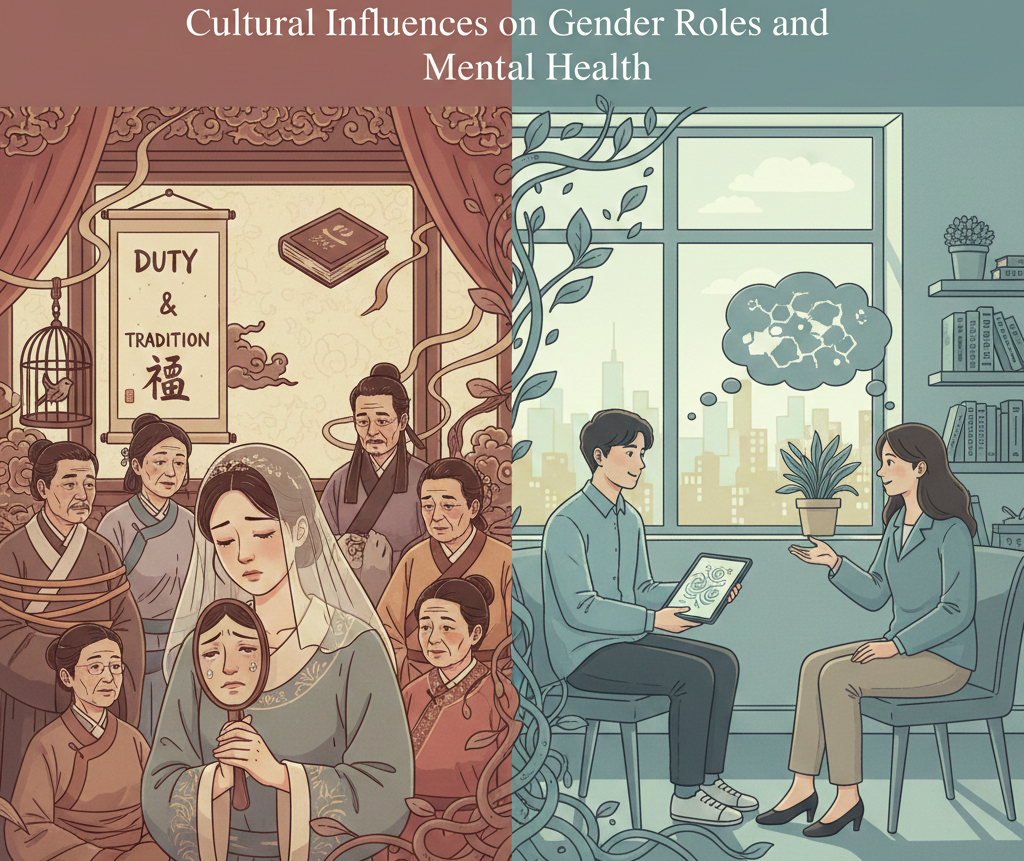
In today’s world, gender roles and their impact on mental health are crucial areas of study. Gender roles are deeply ingrained in the social fabric of every culture and influence how individuals perceive themselves and others. Cultural beliefs and norms shape these roles, and as such, they have profound implications for mental well-being. In this article, we explore how cultural influences shape gender roles, how these roles affect mental health, and how variations in gender expectations across cultures can lead to different psychological outcomes.
Understanding Gender Roles as Cultural Constructs
Gender roles are the social and behavioral norms that a society considers appropriate for individuals based on their biological sex. However, these roles are not biological imperatives but are socially constructed over time. From an early age, children learn what is expected of them in terms of behavior, interests, and emotions according to their gender. In many cultures, men are expected to be assertive, dominant, and emotionally reserved, while women are often encouraged to be nurturing, passive, and empathetic.
The Role of Culture in Shaping Gender Expectations
Cultural influences play a significant role in shaping these gender norms. The media, family structures, religion, and education systems all reinforce specific gender roles, creating a shared understanding of what it means to be male or female. For example, in many Western societies, traditional masculinity emphasizes traits like stoicism and independence, while femininity is often associated with empathy, caregiving, and emotional expression. These gender norms, though varying across cultures, shape the way people view their identities and their roles in society.
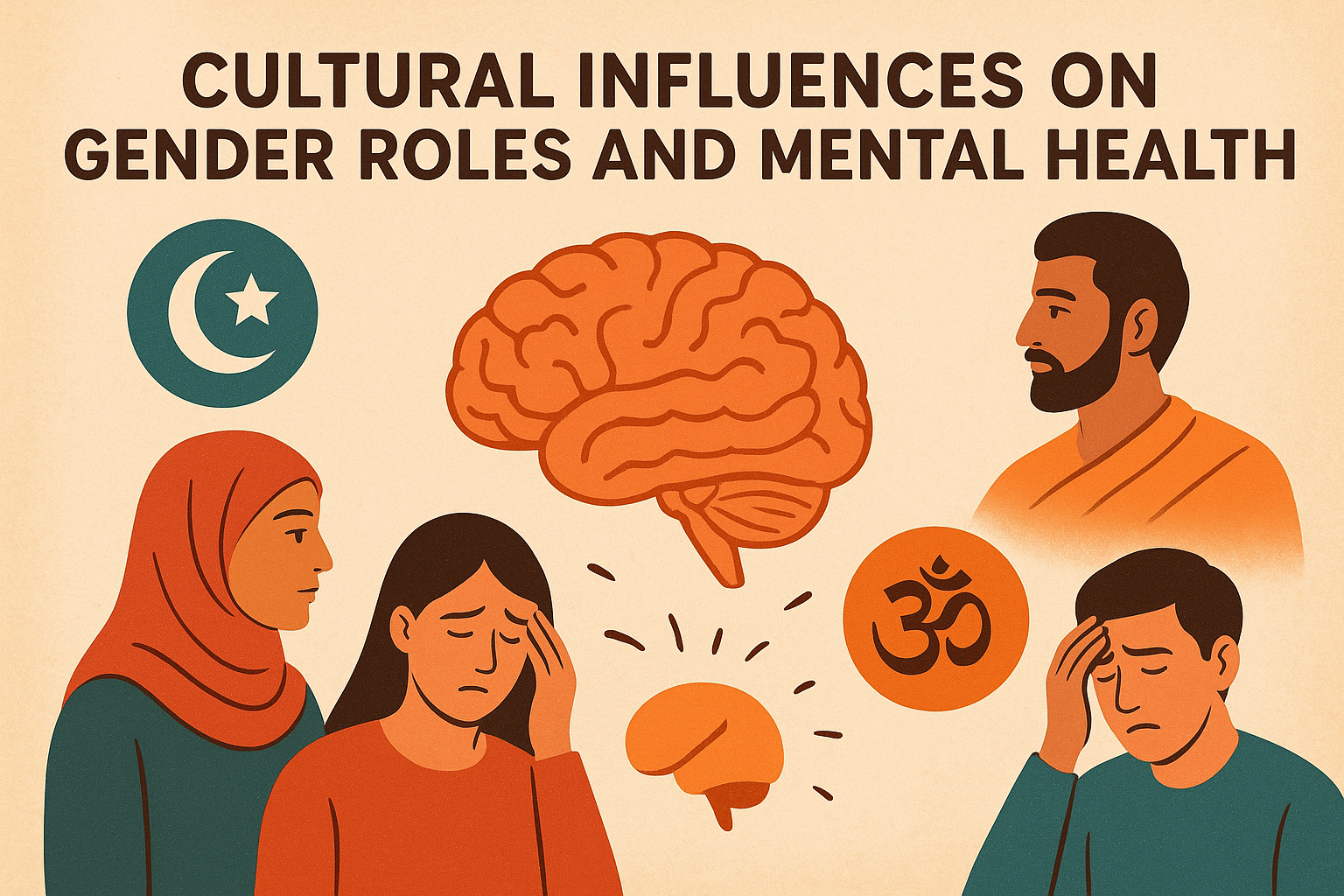
How Traditional Gender Beliefs Impact Mental Health
Traditional gender beliefs, while providing structure and predictability in society, can have significant psychological consequences. When individuals are expected to conform to rigid gender roles, they may experience mental health challenges such as anxiety, depression, and identity confusion.
Pressure to Conform to Gender Norms
For instance, men who adhere to traditional masculine ideals may feel intense pressure to suppress their emotions, avoid vulnerability, and demonstrate strength at all costs. This emotional suppression can lead to psychological distress, increasing the risk of mental health issues like depression, substance abuse, and aggression. Conversely, women who are expected to prioritize caregiving roles may experience feelings of guilt or inadequacy if they do not conform to these expectations, leading to stress, anxiety, or burnout.
Impact on Self-Esteem and Identity
The pressure to fit into predefined gender roles can also lead to lower self-esteem, particularly when individuals feel that they cannot live up to society’s expectations. For instance, men who do not fit the stereotypical mold of toughness or independence may struggle with feelings of inadequacy, while women who are unable to fully embrace the role of the nurturing mother may experience guilt and self-doubt. These mismatches between personal identity and societal expectations can be a significant source of mental distress.
Gender-Specific Socialization and Psychological Well-Being
From a young age, individuals are socialized into gender roles by their families, peers, and communities. This socialization process shapes their psychological development and has a profound impact on their mental health.
How Boys and Girls Are Socialized Differently
Boys are often socialized to be independent, assertive, and unemotional, while girls are encouraged to be cooperative, nurturing, and emotionally expressive. These gendered socialization patterns can affect the way individuals process emotions and handle stress. For example, because boys are discouraged from expressing vulnerability or seeking help, they may internalize feelings of sadness, anxiety, or depression, which can manifest in behavioral problems or substance abuse later in life. On the other hand, girls may be more likely to experience depression or anxiety because they are taught to be empathetic, often to their own detriment, leading them to put the needs of others above their own mental well-being.
The Role of Gendered Expectations in Emotional Regulation
The way individuals are taught to regulate emotions is also shaped by their gendered experiences. Men may have difficulty managing emotions like fear or sadness due to societal expectations that they remain stoic. Women, on the other hand, might be taught to express their feelings more freely but may face judgment if they appear “too emotional.” These differing emotional norms can lead to feelings of isolation, frustration, and difficulty in managing mental health challenges. Over time, the inability to effectively express or cope with emotions can contribute to chronic stress and other mental health issues.
Cultural Variations in Gender Expectations and Mental Health Outcomes
Although gender roles and their effects on mental health are universal in many ways, they can vary significantly across different cultures. In some cultures, gender roles are more fluid, while in others, they are more rigid. Societal expectations shape individuals’ experiences of gender and significantly influence their mental and emotional well-being.
Cross-Cultural Differences in Gender Norms
In more collectivist cultures, such as many Asian and African societies, gender roles may be more traditional, with greater emphasis placed on family and community obligations. In these cultures, women may be expected to fulfill the role of caretaker, while men are expected to provide for the family. In contrast, in more individualistic cultures, such as those found in the Western world, gender roles tend to be less defined, and there is more room for personal expression of identity.
However, these variations in gender norms can affect mental health in different ways. In collectivist societies, the pressure to conform to traditional gender expectations can result in feelings of shame or guilt when individuals deviate from the norm. In individualistic societies, while there may be more freedom to express one’s gender identity, the breakdown of traditional roles can sometimes lead to confusion, isolation, or a sense of loss of purpose, especially for those who struggle to define their gender identity outside of societal expectations.
How Cultural Identity Shapes Mental Health and Well-Being
Cultural identity plays a crucial role in shaping how individuals navigate gender roles. For instance, individuals who identify with both their gender and cultural traditions may experience a strong sense of belonging and social support, which can buffer against mental health issues. On the other hand, individuals who feel disconnected from their cultural norms or gender expectations may experience internal conflict, identity crises, and an increased risk of mental health disorders such as depression and anxiety.
The Role of Caregiving and Provider Responsibilities by Gender
Across cultures, caregiving and provider roles are two of the most influential aspects of gender identity. These expectations significantly affect individuals’ responsibilities, life decisions, and overall mental health.
Gendered Expectations in Caregiving
In many societies, women are traditionally seen as primary caregivers responsible for raising children, tending to family members, and maintaining emotional harmony within households. While caregiving can create fulfillment and a sense of purpose, it also brings a heavy emotional and physical burden.
Women often experience:
- Chronic stress and exhaustion
- Role overload due to balancing work and family
- Feelings of guilt when personal needs conflict with family expectations
These pressures can increase the risk of depression, burnout, and anxiety especially in cultures where caregiving duties are not shared equally.
Responsibility of Men as Providers
Men are often expected to be the financial providers, protectors, and decision-makers in the family. This traditionally “masculine” responsibility can create significant psychological strain.
Provider expectations can lead men to:
- Prioritize work over self-care
- Hide emotional struggles
- Experience stress during financial instability
- Avoid seeking mental health support due to stigma
Both caregiving and provider roles are shaped by cultural norms, but they can become restrictive when seen as fixed obligations rather than flexible, shared responsibilities.
Effects of Masculinity and Femininity Norms on Stress and Anxiety
Cultural norms defining masculinity and femininity shape how individuals express emotions, handle difficulties, and perceive themselves all of which influence stress and anxiety levels.
Masculinity Norms and Emotional Suppression
Traditional masculinity emphasizes strength, control, and emotional restraint. While these traits may be valued socially, they can limit men’s ability to cope with psychological challenges.
Consequences of rigid masculinity norms include:
- Increased risk of depression due to emotional suppression
- Elevated substance use as a means to cope with stress and emotional difficulties.
- Social isolation caused by reluctance to discuss personal struggles
- Elevated stress linked to expectations of self-reliance and dominance
Men are often socially penalized for showing vulnerability, which can further worsen mental health outcomes.
Femininity Norms and Emotional Pressure
Femininity is commonly linked to qualities such as empathy, nurturing care, and openness in emotional expression. While these qualities can strengthen relationships, they may also place unrealistic emotional expectations on women.
Common mental health effects include:
- Anxiety from managing emotional labor in relationships
- Stress from constant expectations to be nurturing and agreeable
- Fatigue from caretaking responsibilities
- Increased risk of depression when personal boundaries are unsupported
Overemphasis on “being nurturing” can prevent women from prioritizing their own needs and setting healthy limits.
Intersection of Culture, Gender Roles, and Access to Mental Health Support
Access to mental health support is not shaped by gender alone culture plays a powerful moderating role. Together, they determine how individuals perceive mental illness, approach treatment, and utilize available resources.
Cultural Stigma and Barriers to Support
In many cultures, mental health challenges are stigmatized, especially among men. This stigma can prevent people from seeking help due to fears of judgment, shame, or appearing weak.
Different cultures also hold unique beliefs regarding:
- Whether mental health conditions are medical or spiritual
- Who is allowed to seek therapy
- Whether emotional struggles should remain private
- The credibility of Western mental health practices
These cultural narratives either facilitate or hinder engagement with mental health services.
Gendered Access to Care
Access can differ by gender in several ways:
- Women may face financial or mobility limitations because of caregiving duties.
- Men may avoid treatment due to cultural expectations of toughness.
Additionally, mental health resources may be unevenly distributed, with rural or traditional communities lacking adequate support.
Reevaluating Traditional Gender Norms for Mental Health Improvement
As societies evolve, many people are reassessing gender norms to promote healthier, more inclusive environments. Rewriting cultural narratives around gender roles can significantly improve mental health outcomes for everyone.
Promoting Flexible Gender Roles
Encouraging shared caregiving, emotional expression, and collaborative decision-making helps reduce emotional strain on all genders. Flexibility allows individuals to choose roles based on personal strengths rather than societal expectations.
Examples include:
- Men being encouraged to express vulnerability
- Women receiving support to pursue careers and personal goals
- Gender-neutral household responsibilities
- Inclusive emotional education for children
Destigmatizing Mental Health for All Genders
Mental health literacy campaigns, open conversations, and culturally sensitive education can normalize seeking help. When communities challenge outdated beliefs, individuals feel more empowered to prioritize their well-being.
Supporting Intersectional Mental Health Approaches
Policies and programs that consider cultural, gender, and socioeconomic contexts are more effective in addressing diverse populations. Intersectional approaches acknowledge that not all genders or cultural groups experience mental health challenges in the same way.
Q&A: Cultural Influences on Gender Roles and Mental Health
What are gender roles, and how are they shaped by culture?

Gender roles are socially constructed expectations and behaviors assigned to individuals based on their perceived sex. Culture shapes these roles through traditions, religion, media, family values, and social norms. Over time, these cultural influences teach people how men and women “should” behave, think, and express emotions.
How do traditional gender roles affect mental health?

Traditional gender roles often create pressure to conform, which can lead to stress, anxiety, depression, or low self-esteem.

Men may feel obligated to suppress emotions and act strong.

Women may feel burdened by caregiving expectations or societal standards of femininity.
When personal identity conflicts with cultural norms, mental health challenges can increase.
Why do masculinity norms contribute to emotional suppression?

Masculinity norms commonly promote toughness, self-reliance, and emotional control. In many cultures, men are discouraged from showing vulnerability or seeking help. This emotional suppression can lead to internalized stress, substance abuse, relationship difficulties, and undiagnosed mental health disorders.
How do femininity norms impact women’s mental well-being?

Femininity norms emphasize empathy, caregiving, and emotional responsibility. While these qualities can be positive, they may also create pressure for women to prioritize others' needs over their own. This can cause burnout, anxiety, emotional exhaustion, and feelings of inadequacy.